Sucralose and cancer: is there a connection?
Many consumers have expressed concerns about the carcinogenic effects of artificial sweeteners on the human body. It was this factor that prompted scientists to study sucralose and its effect on humans.
Sucralose is a type of artificial sweetener widely used in the production of drinks, desserts, and confectionery. Sweetener has a number of advantages over real sugar:
- Low calorie
- Does not cause dental caries
- Does not interact with other nutrients
- Does not stimulate the production and release of insulin
- Has good taste characteristics.
- Many consumers question the safety of sucralose. Although most scientific evidence suggests that the sweetener does not pose a danger to the human body and does not cause cancer.
The essence of sucralose
This type of artificial sweetener is commonly used in low-calorie desserts and drinks, including coffee and tea. By the way, sucralose is the only artificial sweetener made from real sugar molecules. Scientists have discovered that if you replace one part of a sugar molecule with chlorine, you get a substance that is 600 times sweeter than classic sugar. In addition, it contains no calories and practically does not break down in the body.
Security Research
Concerns about a possible link between artificial sweeteners and cancer first arose when two other artificial sweeteners, cyclamate and saccharin, were found to cause bladder cancer in animals when used together. However, the US National Cancer Institute notes that there is no direct evidence that any artificial sweeteners cause cancer in humans.
Before the Food and Drug Administration (FDA, USA) approved sucralose for use, more than 100 safety studies were conducted. The research results are clear: sucralose does not pose any risk to human health and has no connection with the development of cancer.
Animal studies
Concerns about a possible link between artificial sweeteners and cancer first arose when two other artificial sweeteners, cyclamate and saccharin, were found to cause bladder cancer in animals when used together. However, the US National Cancer Institute notes that there is no direct evidence that any artificial sweeteners cause cancer in humans.
Before the Food and Drug Administration (FDA, USA) approved sucralose for use, more than 100 safety studies were conducted. The research results are clear: sucralose does not pose any risk to human health and has no connection with the development of cancer.
Conclusion
Are sweeteners safe – this question will always be answered with confidence experts from Onco Care Clinic 308. Call and make an appointment with professional oncologists at the numbers listed above!
Author of the article:
Aleksanyan Aleksan Zavenovich

Our doctors
Every year our doctors undergo additional training
courses and improve their qualifications

Ilyushin Andrey Leonidovich
Chief physician
Candidate of Medical Sciences
Oncologist
22 years of experience

Kornilov Artyom Lvovich
Oncologist
18 years of experience
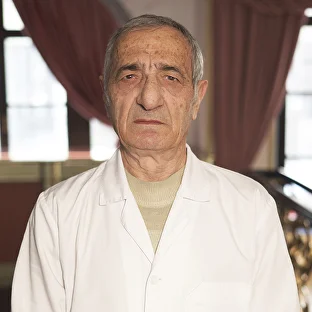
Aleksanyan Aleksan Zavenovich
Professor, Doctor of Medicine. sciences
Highest category
Oncologist, surgeon
Experience 49 years

Ben Ammar Mohamed Amir
Deputy chief physician
Oncologist, ultrasaound doctor, laser surgeon, mammologist, surgeon
15 years of experience